Deconstructing the Sugar-Hyperactivity Myth: Neurocognitive Realities and Behavioral Expectancy in Pediatrics
Discover the scientific consensus on sucrose and pediatric hyperactivity. Explore how parental expectancy effects,…
Read More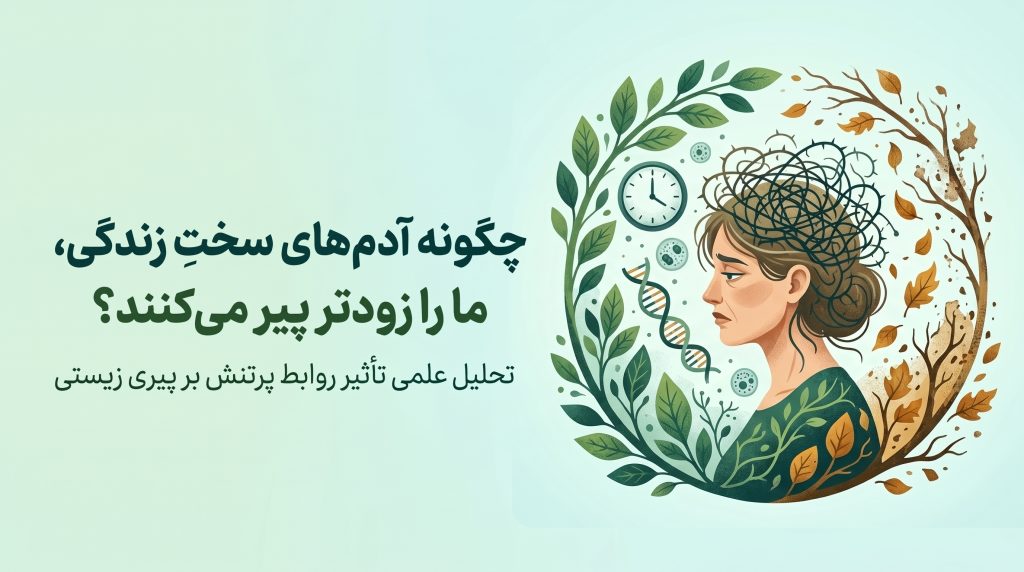
Most people recognize the immediate emotional exhaustion that accompanies interactions with highly critical relatives, toxic coworkers, or chronically draining acquaintances. While conventional wisdom has long viewed interpersonal friction as a transient psychological burden, groundbreaking clinical research reveals a far more sobering reality: our cells actively record chronic relationship stress.
A landmark investigation published in the Proceedings of the National Academy of Sciences (PNAS) provides empirical molecular evidence that difficult personal ties accelerate the biological aging process through epigenetic modifications.
Primary Scientific Citation: Lee B., Ciciurkaite G., Peng S., Mitchell C., Perry B. L. (2026). “Negative social ties as emerging risk factors for accelerated aging, inflammation, and multimorbidity.” Proceedings of the National Academy of Sciences (PNAS). https://doi.org/10.1073/pnas.2515331123
The research team, led by medical sociologists and molecular epidemiologists, analyzed biomarker data from the Indiana Health Study, encompassing 2,345 representative community-dwelling adults. Participants completed rigorous social network inventories, identifying individuals in their immediate sphere who regularly created relational friction, conflict, or distress—categorized methodologically as “hasslers.”
To quantify physiological wear, the investigators collected salivary biospecimens and analyzed them using advanced epigenetic clocks based on DNA methylation patterns.
While chronological age simply counts elapsed calendar years since birth, biological age reflects cellular integrity and functional organ reserve. Two individuals aged 45 may exhibit radically divergent biological profiles depending on cumulative physiological stress.
Epigenetic clocks measure this differential by evaluating DNA methylation—chemical methyl tags that modulate gene expression without modifying the underlying genetic sequence. The researchers employed dual-generation clocks:
Statistical regression models revealed striking correlations after controlling for sociodemographic factors, baseline medical status, and childhood adversity:
Crucially, the structural category of the relational tie mediated the biological effect. When the “hassler” was an immediate or extended family member, the association with accelerated biological aging was strongest. Conversely, difficult spouses did not demonstrate an equivalent standalone aging effect.
The lead investigators attribute this disparity to structural inescapability. Unlike casual friendships that can be quietly phased out, family bonds carry deeply ingrained moral duties, shared physical environments, and complex holiday rituals. This inescapable exposure subjects the individual to chronic, repetitive neuroendocrine stress without adequate recovery windows.
Beyond epigenetic clocks, individuals navigating difficult interpersonal ties exhibited broad-spectrum physiological dysregulation:
Chronic interpersonal conflict perpetually activates the Hypothalamic-Pituitary-Adrenal (HPA) axis and the sympathetic nervous system, fostering sustained glucocorticoid resistance and micro-vascular inflammation across vital tissues.
While the findings are scientifically robust, rigorous psychiatric interpretation requires context:
From a psychiatric perspective, you do not need to abruptly sever every challenging relationship. Instead, evidence-based clinical boundary setting is essential for preserving cellular and mental resilience:
1. Lee, B., Ciciurkaite, G., Peng, S., Mitchell, C., & Perry, B. L. (2026). Negative social ties as emerging risk factors for accelerated aging, inflammation, and multimorbidity. Proceedings of the National Academy of Sciences (PNAS), 123(11), e2515331123. https://doi.org/10.1073/pnas.2515331123
2. Dolan, E. W. (2026). The difficult people in your life might be making you biologically older. PsyPost Clinical Behavioral Science Reports.